7 Mar 2026
Raingrid systems provide structured approaches to rainwater collection and distribution in various environments. These grids integrate into landscapes to manage water flow efficiently while supporting broader ecological goals.

Core Principles of Raingrid Design
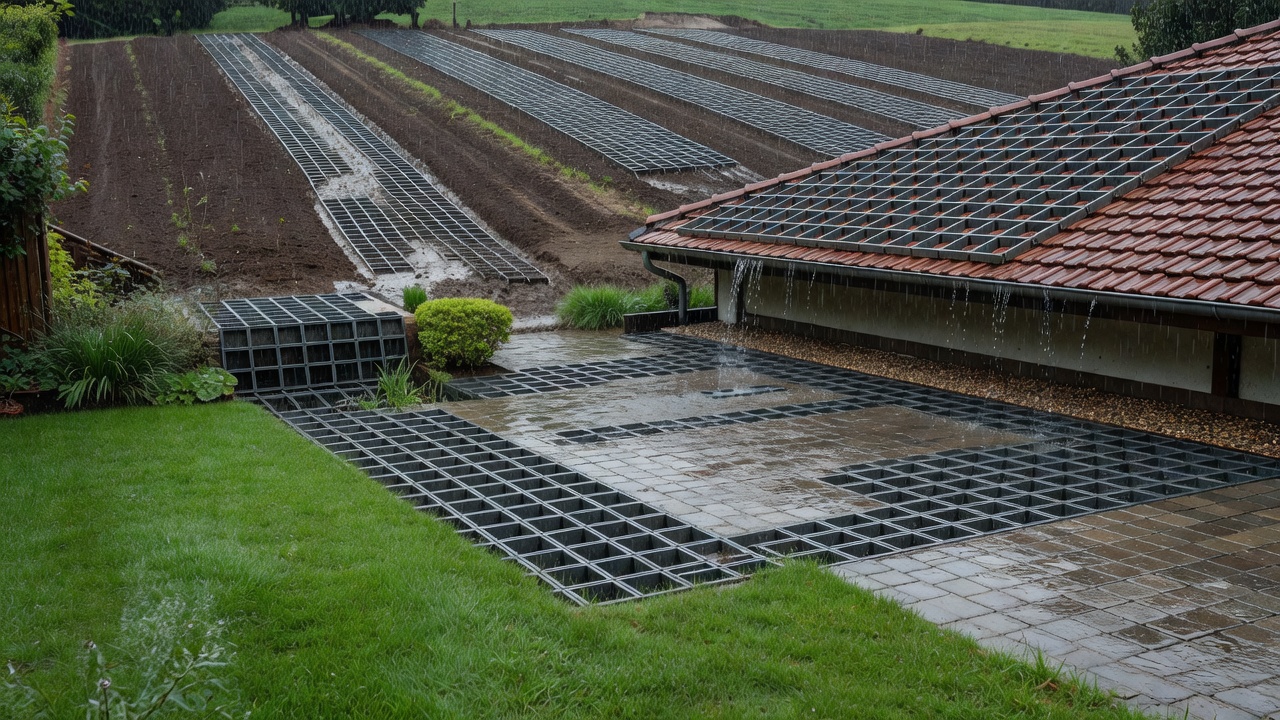
Raingrid operates through modular panels that capture precipitation and direct it toward storage or filtration points. The design emphasizes durability against weather variations and compatibility with existing infrastructure. Materials typically include permeable composites that allow gradual water release, reducing runoff risks during heavy storms. Users often install these grids in residential yards, commercial lots, or public spaces to create consistent water pathways without major excavation.
Integration with soil layers helps maintain natural drainage patterns. By spacing grid units appropriately, the system avoids pooling and promotes even absorption. Regular inspection ensures channels remain clear of debris, preserving long-term performance across seasons.
Environmental and Practical Advantages
Raingrid contributes to water conservation by channeling rainfall into usable reserves for irrigation or groundwater recharge. This reduces reliance on municipal supplies during dry periods and lowers erosion in sloped areas. In urban contexts, the grids support heat island mitigation by retaining moisture that cools surrounding surfaces through evaporation.
Cost savings emerge over time through decreased flood damage and lower landscaping maintenance. Communities report improved plant health where Raingrid feeds root zones steadily. The neutral aesthetic blends with diverse settings, from gardens to parking areas, without visual disruption.
Installation and Maintenance Guidelines
Site assessment begins with soil testing and rainfall data review to determine optimal grid density. Professional installers align panels with natural contours for maximum capture efficiency. Post-installation, basic upkeep involves periodic surface cleaning and monitoring of connected storage tanks.
Adaptations suit different climates, with reinforced versions available for high-traffic zones. Documentation from manufacturers outlines compatibility with local regulations on stormwater management. Over multiple years, these systems demonstrate reliable operation when paired with routine checks.
Overall, Raingrid fits into sustainable practices by addressing water challenges methodically and scalably across property types.