21 Jan 2026
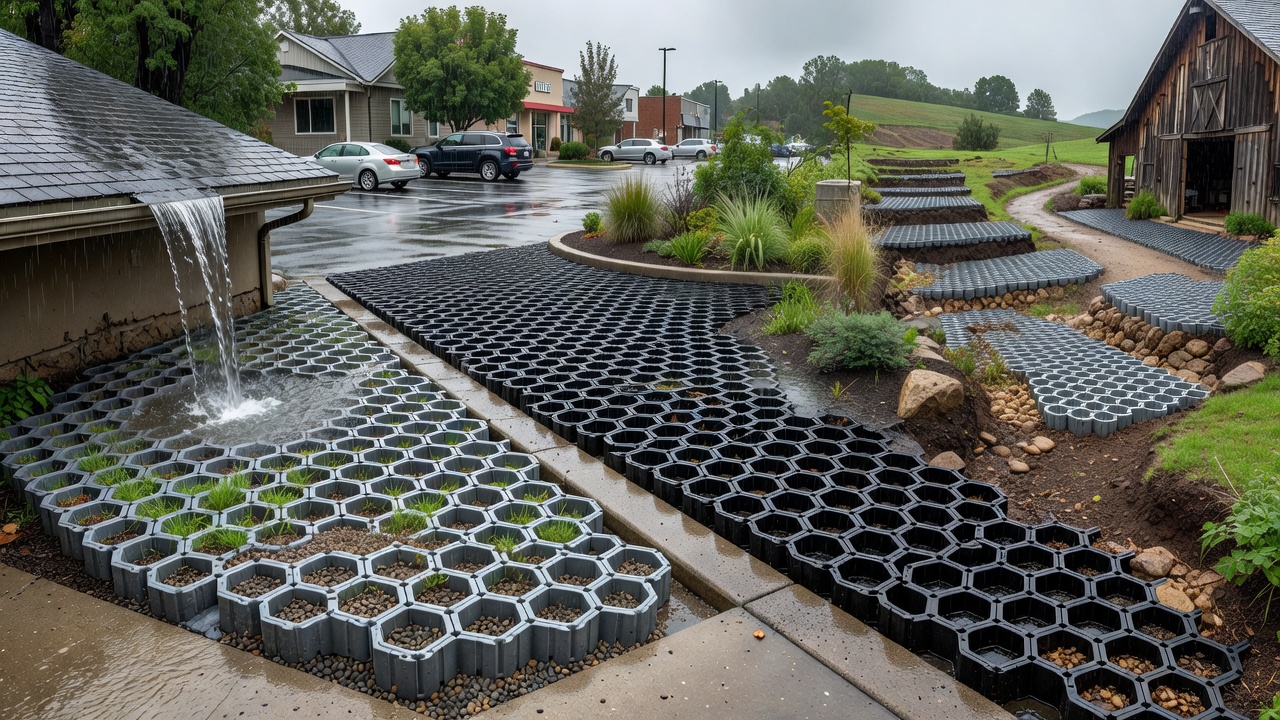
Raingrid systems offer practical methods for managing rainwater across different property types. These modular grids help direct water flow, minimize erosion, and support healthier soil conditions over time. Property owners often explore such solutions to address drainage challenges without relying on extensive traditional infrastructure.
Core Components and Design
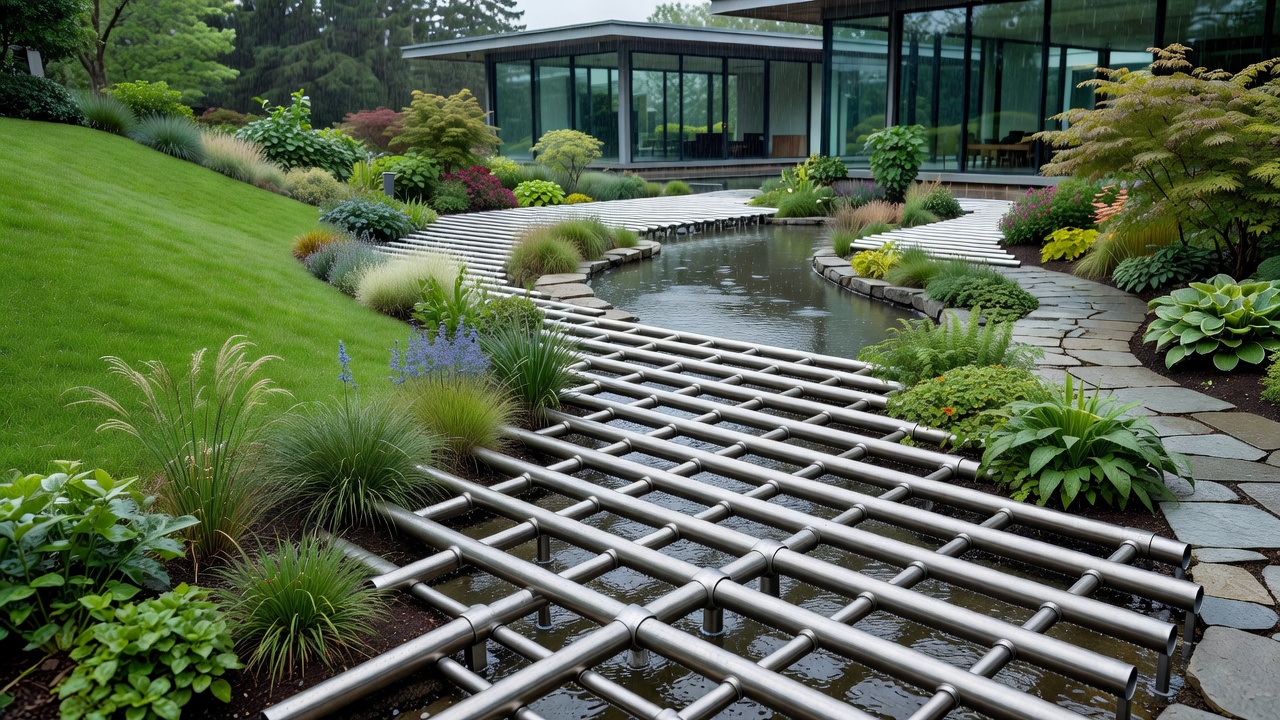
The basic structure involves durable panels that interlock to form a stable surface. This allows water to percolate gradually into the ground rather than pooling or running off rapidly. Materials used are typically resistant to weather variations, ensuring longevity in outdoor environments. Customization options exist for various terrain slopes and soil compositions, making the approach adaptable to many sites.
Integration with surrounding vegetation can further enhance performance. Plants benefit from consistent moisture levels maintained by the grid layout. Users report improved ground stability after installation, particularly in areas prone to heavy seasonal rains.
Planning and Setup Steps
Assessment of the site begins with evaluating natural drainage patterns and local rainfall data. Soil testing helps determine permeability rates and identifies any amendments needed before placement. Professional input during the design phase reduces the likelihood of future adjustments.
Once installed, the system requires minimal ongoing intervention. Periodic checks for debris accumulation keep water pathways clear. This straightforward maintenance supports consistent function across multiple years of use.
Compatibility with other landscaping elements, such as pathways or garden beds, allows for seamless incorporation. Thoughtful placement avoids interference with existing utilities or root systems.
Environmental and Practical Outcomes
Over extended periods, Raingrid contributes to reduced surface runoff and better groundwater recharge. These effects align with broader goals of sustainable site management. Cost considerations include initial materials and labor, offset by potential decreases in erosion-related repairs.
Many installations demonstrate resilience during extreme weather events when properly sized and positioned. The neutral appearance blends with natural settings without drawing attention. Property values may see indirect benefits through improved land usability and reduced maintenance demands.
Overall, Raingrid provides a balanced option for those seeking reliable water management tools that integrate with everyday outdoor spaces.